

Coffee stains are pretty much a universal problem — whether it’s a rushed morning, a bumpy car ride, or that “oops” moment at your desk. Happy Clean Dublin has seen every type of spill imaginable, from tiny splashes on a favorite shirt to full-on disasters on carpets and sofas. Coffee leaves behind a dark, stubborn mark because it’s filled with natural dyes, oils, and tannins that cling tightly to fabric fibers. That’s why getting rid of a coffee stain isn’t always as simple as grabbing a cloth and hoping for the best.
Removing Coffee Stains Tip #1 – Act Fast Before the Coffee Stain Sets
Speed is your best friend when it comes to coffee stains. The longer the liquid sits on fabric, the deeper it sinks and the stronger it bonds. Happy Clean Dublin always emphasizes that the first few minutes matter more than anything else. When coffee is still fresh and wet, it hasn’t had time to dry up or attach fully to the fibers. That means you have a much better chance of removing it completely with simple household products instead of having to scrub, soak, or even call in a professional later. Acting fast also helps prevent the stain from spreading — coffee tends to feather out into the surrounding fabric as it dries. Even something as basic as blotting with a clean cloth can stop a small spill from turning into a big, messy circle. Think of it like stopping a mini disaster before it snowballs. Once you take those first steps quickly, the rest of the cleaning process becomes easier, and you’re less likely to be left with a faint yellow mark that refuses to disappear.
Blotting vs. Rubbing: The Right First Move
Blot — don’t rub. It sounds simple, but this small choice makes a huge difference in how the stain behaves. When you rub a coffee spill, you’re pushing the liquid deeper into the fabric and spreading it outwards at the same time. That’s how tiny stains turn into big ones. Blotting gently absorbs the coffee instead of forcing it around. Happy Clean Dublin recommends using a clean cloth, paper towel, or even a soft microfiber cloth, pressing down lightly and lifting repeatedly. Each blot pulls more of the liquid out, which keeps the stain from setting. Blotting also protects the fabric fibers from damage. Rubbing can cause pilling, fraying, or thinning, especially on delicate materials like wool or upholstery. When you start with blotting, you’re already halfway to success because you’ve stopped the stain from soaking in further. It’s a calm, controlled move that sets the stage for the actual cleaning solution to work more effectively.
Using Cold Water to Stop the Stain From Spreading
Cold water might seem too basic to make a difference, but it’s a powerful first step when used correctly. Hot water can actually set a coffee stain faster because heat causes the tannins to bond more tightly to the fabric. Cold water, on the other hand, helps dilute the coffee and prevents it from penetrating deeper. Happy Clean Dublin often recommends rinsing from the back of the fabric instead of the front. This pushes the coffee outward instead of sending it deeper into the material. For upholstery or carpet, where rinsing isn’t possible, a small amount of cold water applied with a cloth can help loosen the stain and make it easier to blot out. The secret is moderation — too much water can spread the stain, especially on carpets. Just a light application followed by gentle blotting keeps the spill contained and gives you a clean surface to apply your real cleaning solution next. Cold water is simple, safe, and surprisingly effective when used right.
Removing Coffee Stains Tip #2 – Dish Soap and White Vinegar: The Reliable Household Combo
Dish soap and white vinegar are one of those cleaning duos that work surprisingly well together, especially on coffee stains. Happy Clean Dublin loves this combo because it’s gentle on fabrics but tough on tannins, oils, and the sticky residue coffee leaves behind. Dish soap breaks down the oily components of the stain, while vinegar tackles the discoloration and helps lift the pigments from the fibers. When mixed with a bit of water, the solution becomes a powerful yet safe cleaner that works on clothes, carpets, and even upholstered furniture. What makes this method so popular is that almost everyone has these items at home, so you can use it immediately without hunting for specialty products. The mixture works best on fresh stains, but with a bit of patience, it can even soften older marks that have been sitting for hours. It’s affordable, eco-friendly, and incredibly effective, which is why it’s a go-to recommendation from professional carpet cleaners.
The Science Behind This Simple Cleaning Method
The magic behind dish soap and vinegar lies in how they complement each other. Dish soap contains surfactants — ingredients that loosen and lift oily residues from fabric fibers. Since coffee contains natural oils, this is a big help. Meanwhile, white vinegar is acidic, and that acidity works to break the bonds between the tannins and the fibers. When these two forces team up, the stain becomes much easier to wipe or rinse away. Happy Clean Dublin explains that vinegar also helps neutralize lingering odors, which is great for carpets and upholstery that tend to hold smells. The mixture works without damaging most fabrics, making it a safer alternative to strong chemical cleaners. It’s also great because it works quickly; within a few minutes, you’ll usually see the stain start to lighten. This scientific balance of oil-breaking and stain-lifting power is exactly why this combo is so reliable.
Step-by-Step Guide for Fresh and Old Stains
Using dish soap and vinegar is easy, but the order you do things in makes a difference. For fresh stains, start by mixing one tablespoon of dish soap and one tablespoon of white vinegar with two cups of cold water. Dip a clean cloth into the solution and dab it onto the stain gently. Avoid scrubbing — just press and lift. As the stain starts to transfer to the cloth, switch to a clean area and keep blotting. For older stains that have dried, you may need to let the mixture sit on the fabric for 10–15 minutes to help soften the residue. After that, blot again until the stain fades. Rinse with cold water to remove any leftover soap or vinegar and then pat dry. Happy Clean Dublin recommends repeating the process for stubborn marks rather than using too much solution at once. This step-by-step method keeps the fabric safe while giving the stain a fair fight.
Removing Coffee Stains Tip #3 – Baking Soda for Gentle Deep Cleaning
Baking soda is one of those underrated cleaning heroes that almost everyone has sitting quietly in their kitchen cabinet. Happy Clean Dublin recommends it often because it’s gentle, natural, and incredibly effective at lifting stubborn coffee stains without damaging delicate fabrics. What makes baking soda special is its ability to draw moisture and discoloration upward from the fibers. It acts almost like a tiny sponge — absorbing the stain while loosening anything that has already bonded to the material. It’s especially helpful for older or dried coffee marks that need more than just soap and water. Baking soda also helps deodorize fabrics, which is a bonus for carpets or upholstery that tend to trap smells. Unlike harsher chemical cleaners, it won’t bleach or discolor most materials, making it a great choice when you want a safe, deep-cleaning option. When used correctly, baking soda can turn a stubborn brown spot into a faded trace — and with a repeat application, erase it completely.
Creating the Perfect Paste for Stain Lifting
The effectiveness of baking soda starts with mixing the right paste. You don’t need much — just a few tablespoons of baking soda and a small amount of water. The goal is to create a thick, spreadable paste, not something runny or watery. Happy Clean Dublin suggests applying this paste directly onto the coffee stain, pressing it gently into the fabric with your fingers or a soft cloth. This helps the baking soda settle deeper into the fibers, where it can start pulling out the discoloration. The paste shouldn’t be dripping; it should sit comfortably on the surface and stay in place. As it begins to dry, it starts drawing the stain upward, almost like a magnet. This simple mixture works on clothing, cushions, carpets, and many upholstery types. It’s also safe enough that you don’t need to worry about harsh fumes or fabric irritation. A well-made paste is the key to making baking soda perform at its absolute best.
How Long to Leave Baking Soda for Best Results
Timing matters when using baking soda. Leaving it on too briefly won’t give it enough time to lift the stain, while leaving it too long may cause it to cake into the fabric. Happy Clean Dublin recommends letting the paste sit for at least 15–20 minutes for fresh stains. For older or deeply set stains, you can leave it for up to an hour. As the paste dries, you’ll notice it becoming chalky — that’s a good sign. It means the baking soda is absorbing the moisture and pigment from the coffee. Once it’s completely dry, simply brush or vacuum the residue away. If the stain is still visible, you can repeat the process without risking fabric damage. Patience pays off with this method; baking soda works slowly but effectively, especially on tricky stains. Taking the right amount of time ensures the best possible results.
Removing Coffee Stains Tip #4 – Hydrogen Peroxide for Tough, Set-In Coffee Stains
Hydrogen peroxide is like the “backup plan” you reach for when the usual tricks don’t quite do the job. Happy Clean Dublin recommends it specifically for older, set-in coffee stains that have already bonded tightly with the fabric fibers. What makes hydrogen peroxide so effective is its mild bleaching action — strong enough to break down dark pigments but gentle enough that, when used correctly, it won’t damage most light-colored fabrics. It works by releasing oxygen molecules that lift the stain from deep within the material, almost bubbling it out. Because it’s more powerful than baking soda or dish soap, it’s ideal for white shirts, light carpets, and fabrics that need an extra boost. However, it’s not a “splash it on and hope for the best” kind of product. You need to apply it carefully, test a small area first, and use it sparingly. When used the right way, hydrogen peroxide can restore fabrics that looked like they were permanently stained, giving them a fresh, clean look again.
When to Use It and When to Avoid It
Hydrogen peroxide is not the right choice for every fabric, which is why timing and judgment matter. Happy Clean Dublin explains that hydrogen peroxide is best for stains that have already dried or stains that didn’t respond to gentler cleaning methods like baking soda or vinegar. It’s especially useful on white or very light-colored fabrics because there’s no risk of altering the color. However, you should avoid using it on dark, vibrant, or delicate fabrics like wool, silk, or velvet. The mild bleaching effect can lighten or fade colors, and on delicate materials, it may weaken the fibers. If you’re dealing with upholstery or carpets, always test a small hidden area first—just a dab—to make sure there’s no discoloration. It’s a great tool, but only when used with caution and only when other methods have failed.
Safety Tips for Using Hydrogen Peroxide on Fabrics
Using hydrogen peroxide safely is all about control and awareness. Happy Clean Dublin always recommends using a 3% solution, which is the standard strength sold in most homes. Stronger concentrations can damage fabrics quickly. Start by applying a small amount to a hidden section of the material and wait a few minutes. If the color stays the same, you’re good to go. Use a clean cloth or cotton ball to dab the peroxide directly onto the stain, allowing it to fizz gently. That bubbling action is what helps break down the pigments. Avoid pouring it directly onto the fabric, as too much can cause unnecessary bleaching. After a few minutes, blot with a clean cloth and rinse with cold water. Let the fabric air-dry naturally. These small safety steps ensure you get the stain-removing benefits without risking fabric damage.
Removing Coffee Stains Tip #5 – Laundry Detergent Tricks That Boost Stain Removal
Laundry detergent might seem like the most obvious cleaner for coffee stains, but the way you use it can completely change the results. Happy Clean Dublin often notices that people rush to throw stained clothes directly into the washing machine, hoping the cycle will magically fix everything. But coffee stains—especially ones that have already dried—need a little extra attention before washing. Laundry detergent contains powerful surfactants designed to break down oils and lift dirt, but they work best when allowed to make direct contact with the stain first. Pretreating, even for a few minutes, can dramatically increase your chances of completely removing the stain in one wash. Plus, using the right type of detergent, particularly enzyme-based formulas, can tackle the organic compounds found in coffee much more effectively. The trick isn’t just washing—it’s prepping the fabric so the detergent can do its job properly. With the right approach, your machine wash turns into a high-powered stain-busting step rather than a gamble.
Pretreating Clothes Before Washing
Pretreating is the secret sauce for getting stubborn coffee stains out before the wash cycle starts. Happy Clean Dublin recommends applying a small amount of liquid laundry detergent directly onto the stain and gently working it into the fabric with your fingers. You don’t need to scrub—just massage the detergent so it seeps into the fibers. Let it sit for at least 5–10 minutes, giving the surfactants time to break apart the oils and tannins in the coffee. If the stain is older or darker, letting it sit for up to 20 minutes can make a huge difference. When you finally place the item into the washing machine, the detergent has already loosened much of the stain, making the wash cycle far more effective. Pretreating also prevents the stain from spreading or setting deeper once the water hits it in the machine. It’s a simple step that pays off in a big way.
Using Enzyme-Based Detergents for Extra Power
Not all detergents are created equal. Enzyme-based laundry detergents offer a serious upgrade when dealing with organic stains like coffee. These enzymes act like tiny workers that break down proteins, sugars, and starches—the stuff coffee leaves behind when it dries. Happy Clean Dublin often recommends these detergents for tough stains because they work deeper and more efficiently than regular formulas. Enzymes target the stain on a molecular level, making them perfect for old coffee marks that have settled into the fabric. To use them, simply follow the same pretreating process: apply a little detergent directly to the stain, let it sit, then wash normally. The enzymes continue working even during the wash cycle, giving you an extra layer of stain-fighting power. This type of detergent is especially helpful for cotton and polyester fabrics, which respond well to enzyme cleaning. If you’ve ever wondered why some clothes look brand new after washing while others don’t—enzymes are often the difference.
Removing Coffee Stains Tip #6 – Professional Cleaning: When Happy Clean Dublin Can Save the Day
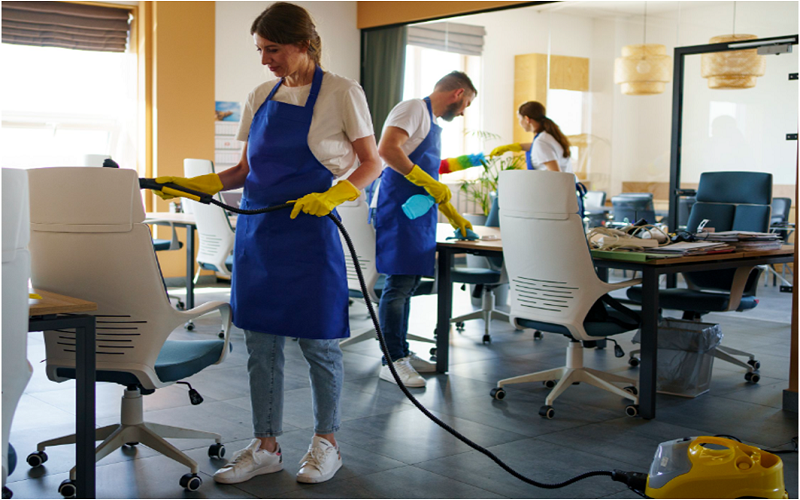
Sometimes, no matter how many home remedies you try, a coffee stain just refuses to budge. That’s when calling in a professional like Happy Clean Dublin can make all the difference. Professional cleaners have access to industrial-grade equipment and specialized cleaning solutions that go much deeper than household products. They use high-powered steam cleaners, extraction machines, and fabric-safe chemicals designed to break down stubborn stains without damaging the material. This is especially helpful for carpets, sofas, car interiors, and delicate fabrics that can’t be tossed into a washing machine. Happy Clean Dublin knows how to identify the type of stain, the fabric involved, and the right technique to use—making the whole process quick, safe, and surprisingly affordable. Professional cleaning isn’t about giving up; it’s about knowing when you need a stronger, smarter solution. Instead of risking damage or wasting time on ineffective DIY attempts, letting experts take over can restore your fabric to near-perfect condition.
Situations Where DIY Cleaning Isn’t Enough
There are specific scenarios where home cleaning methods just aren’t strong enough. For example, coffee stains on deep-pile carpets or upholstery with thick padding tend to seep way down into the layers, making surface cleaning almost useless. The same goes for coffee spills that include milk or sugar—these can attract bacteria and leave behind unpleasant smells if not treated properly. Happy Clean Dublin often steps in when stains have been left sitting for days or when someone has tried several DIY methods that ended up setting the stain even deeper. Fabrics like wool, silk, or specialty upholstery often require professional handling because they’re easy to damage with regular household cleaners. And when the stain is large—like a spilled travel mug on a sofa or car seat—professionals can treat both the surface and the padding underneath. In these cases, DIY isn’t just ineffective; it can sometimes make things worse.
How Professionals Handle Deep Fabric Stains
Professional cleaners follow a process that’s far more advanced than what you can do at home. Happy Clean Dublin typically starts by inspecting the fabric to determine the safest cleaning method. They test the stain, check how deep it’s gone, and choose the right cleaning agent—something gentle enough to protect the fabric but powerful enough to break the stain’s bonds. Then they use machines that inject cleaning solutions deep into the fibers while simultaneously extracting dirt, moisture, and coffee residue. This deep-cleaning approach doesn’t just remove the visible stain; it pulls out trapped odors and bacteria as well. In cases involving delicate fabrics, professionals use low-moisture cleaning methods or solvent-based treatments that won’t shrink, stretch, or discolor the material. The result is a cleaner, fresher, and longer-lasting finish than any DIY trick can achieve. It’s this expertise and technology that make professional cleaning so valuable for serious or stubborn coffee stains.
INFOGRAPHIC — Quick Coffee Stain Removal Checklist
When you’re staring at a fresh coffee spill, the last thing you want is to panic or waste time guessing what to do. That’s where a simple, easy-to-follow checklist comes in handy. Happy Clean Dublin’s quick stain removal guide works like a mini emergency plan you can follow step-by-step, even if you’re half awake and holding a cup of coffee in your other hand. Think of it as your cheat sheet to stopping the stain before it sets, using items you probably already have around the house. The best part? It helps you decide instantly which method to use depending on whether the stain is fresh, slightly dried, or completely set in. This checklist also reminds you what NOT to do—like rubbing or using hot water too soon—so you avoid making the stain worse. With just a few bullet points, you can save your clothes, sofa, or carpet from long-term damage and get back to your day quickly.
Fast Steps for Fresh Stains
- Blot immediately with a clean cloth or paper towel
- Apply a small amount of cold water to keep the stain from spreading
- Blot again until most of the liquid is absorbed
- Use the dish soap + vinegar mix for fast lifting
- Rinse gently with cold water afterward
- Air dry and check if the stain has disappeared
Fresh stains are the easiest to remove, and this quick process prevents the dreaded brown ring from forming.
Solutions for Older, Stubborn Spots
- Apply a baking soda paste and let it sit 20–60 minutes
- Brush off the dried powder or vacuum it up
- Use hydrogen peroxide carefully on light fabrics only
- Repeat the process if the stain is still visible
- Avoid heat until the stain is completely gone
- Check the fabric tag before using stronger cleaners
Older stains need patience, but these steps break down even deep-set coffee marks.
Items to Always Keep Ready at Home
- Dish soap for oily residue
- White vinegar for tannin breakdown
- Baking soda for deep lifting
- Hydrogen peroxide (3%) for tough stains
- Microfiber cloths for gentle blotting
- Cold water spray bottle to stop stains from spreading
CONCLUSION
Coffee stains happen to everyone, but dealing with them doesn’t have to be stressful or time-consuming. With the right techniques and a little bit of know-how, you can rescue your clothes, carpets, and furniture from even the most stubborn spills. Happy Clean Dublin’s six practical tips prove that a mix of quick action, simple household items, and smart cleaning steps can take you a long way. From blotting properly and using cold water to applying baking soda, vinegar, or hydrogen peroxide when needed, each method tackles the problem from a different angle. And when things get out of hand, professionals are always there to bring fabrics back to life. The key is understanding how coffee stains work and choosing the safest, most effective approach for your specific situation. Once you get the hang of it, removing coffee stains becomes less of a chore and more of a quick routine you barely have to think about. With these tips, your favorite items stand a much better chance of staying clean and stain-free.