
It may appear to be a minor inconvenience, but a leaking or malfunctioning faucet can quickly escalate into a source of unnecessary frustration, higher utility bills, and wasted water. In any residence, faucets are among the most frequently utilized plumbing fixtures, which makes them susceptible to wear and tear over time. While some problems require professional attention, understanding the basics of faucet repair can help homeowners recognize issues early and take the right steps before they become more serious.
Knowing how faucets work and what causes common problems can make maintaining a home’s plumbing system much easier. Homeowners may prolong the life of their fixtures and prevent expensive damage with the right maintenance and prompt repairs.
Recognize The Early Warning Signs
Many faucet problems begin with subtle symptoms that are easy to overlook. A slow drip after the handle is turned off, reduced water pressure, unusual noises, or difficulty turning the handle are all signs that something may be wearing out.
Read More: 7 Tips on Choosing a Good Plumbing School
Ignoring these warning signs often allows minor issues to become larger plumbing concerns. For instance, a little leak may seem innocuous, but over time it may waste thousands of gallons of water and can cause moisture damage around counters and sinks.
Regularly inspecting faucets for unusual behavior helps identify problems before they require extensive repairs.
Understand The Most Common Causes Of Faucet Problems
Different faucet designs experience different types of wear, but many repair issues share similar causes. Rubber washers, O-rings, cartridges, valve seats, and seals naturally wear down through years of daily use.
Mineral deposits from hard water can also interfere with moving parts, making handles difficult to operate or reducing water flow. Corrosion inside older fixtures may affect performance as well.
Understanding these common causes helps homeowners identify whether a repair is likely to involve replacing a small component or whether the faucet itself may need upgrading.
Shut Off The Water Before Beginning Any Repair
One of the most important steps in any faucet repair is turning off the water supply before disassembling the fixture.
Most sinks have individual shutoff valves located beneath them. Closing these valves prevents accidental flooding while repairs are being completed. After shutting off the water, opening the faucet allows any remaining pressure to drain from the lines. Taking this simple precaution creates a safer and cleaner working environment.
Keep The Right Tools Available
Basic plumbing repairs become much easier when homeowners have a few essential tools readily available.
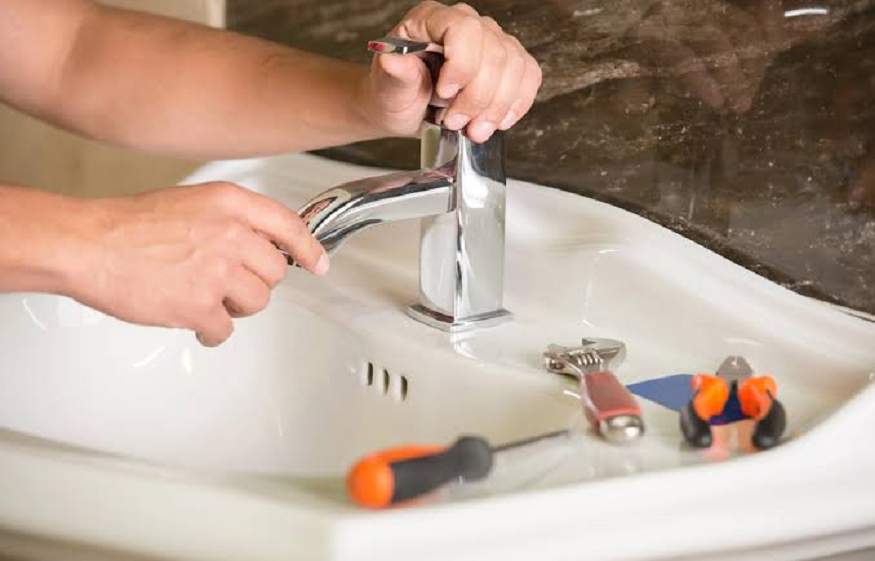
An adjustable wrench, screwdriver set, plumber’s tape, replacement washers, pliers, and a small container for holding screws are useful for many common faucet repairs. Soft cloths can also help protect decorative finishes from scratches while working.
Having these tools prepared before starting prevents unnecessary interruptions during the repair process.
Clean Mineral Deposits Regularly
Mineral buildup is one of the leading causes of poor faucet performance. Over time, calcium and other minerals accumulate around aerators and inside faucet components, restricting water flow.
Stubborn deposits may typically be dissolved by removing the aerator and immersing it in vinegar for several hours. Gently brushing away remaining buildup restores water pressure without requiring replacement parts. Regular cleaning keeps faucets operating efficiently while reducing unnecessary wear.
Replace Worn Parts Promptly
Many faucet leaks result from inexpensive components that gradually deteriorate over time. Replacing worn washers, seals, O-rings, or cartridges as soon as signs of wear appear can often restore proper function without replacing the entire fixture.
Using replacement parts designed specifically for the faucet model helps ensure proper fit and long-lasting performance. Attempting temporary fixes with incorrect components may only delay the problem. Routine replacement of small parts can significantly extend the service life of a faucet.
Avoid Over-Tightening Handles
Many homeowners instinctively tighten faucet handles as firmly as possible to stop a drip. However, excessive force often causes additional wear on internal components and may damage seals or cartridges.
Turning the handle only until the water stops flowing protects the internal mechanisms while reducing unnecessary strain. Gentle operation helps preserve the faucet’s moving parts over many years of use.
Know When Professional Help Is Needed
While many minor repairs are manageable, some plumbing issues require experienced assistance. Persistent leaks after replacing components, water appearing beneath sinks, damaged supply lines, cracked fixtures, or signs of corrosion inside plumbing connections should be evaluated by a qualified plumber.
Professional repairs ensure underlying problems are properly diagnosed while preventing accidental damage to surrounding plumbing systems.
Seeking help early often reduces repair costs compared with waiting until extensive damage develops.
Practice Preventive Maintenance
One of the greatest strategies to prevent frequent faucet repairs is preventive maintenance. Cleaning fixtures regularly, checking for leaks, monitoring water pressure, and addressing minor problems immediately all contribute to longer fixture life.
Read More: North London’s MML Plumbing Ltd: Pioneering Plumbing Innovations
Homeowners should also inspect shutoff valves occasionally to ensure they remain functional in case future repairs become necessary. These simple habits reduce unexpected plumbing emergencies while maintaining reliable daily performance.
Conclusion
Faucets play an essential role in every household, and even small problems deserve prompt attention. Understanding common causes of leaks, recognizing early warning signs, using the proper tools, and performing routine maintenance can help homeowners prevent many common plumbing issues. While simple repairs are often straightforward, knowing when to seek professional assistance is equally important. By following these essential faucet repair tips, homeowners can protect their plumbing system, conserve water, and keep their fixtures operating efficiently for years to come.